
Pricing & Availability: 586-838-5900
How Addyi Influences Female Hormonal Balance Addyi works in the brain, not by replacing hormones, but by shaping the signals that affect desire. For many women, this matters because libido can shift when stress, sleep, or menstrual changes disrupt the body’s rhythm. By influencing serotonin and dopamine pathways, Addyi may help restore a more stable sexual response. It does not raise estrogen or testosterone, yet it can support the balance between mood, energy, and intimacy. That makes it different from hormone therapy: its effect is indirect, but still meaningful. Women experiencing low desire may find that improving these brain signals helps them feel more like themselves again.To Buy Addyi Online Visit Our Pharmacy ↓
 Addyi and Hormonal Health: Key Connections
Hormonal Factor Possible Effect Estrogen changes May alter desire and comfort Stress hormones Can reduce interest in intimacy
The Science Behind Addyi and Desire
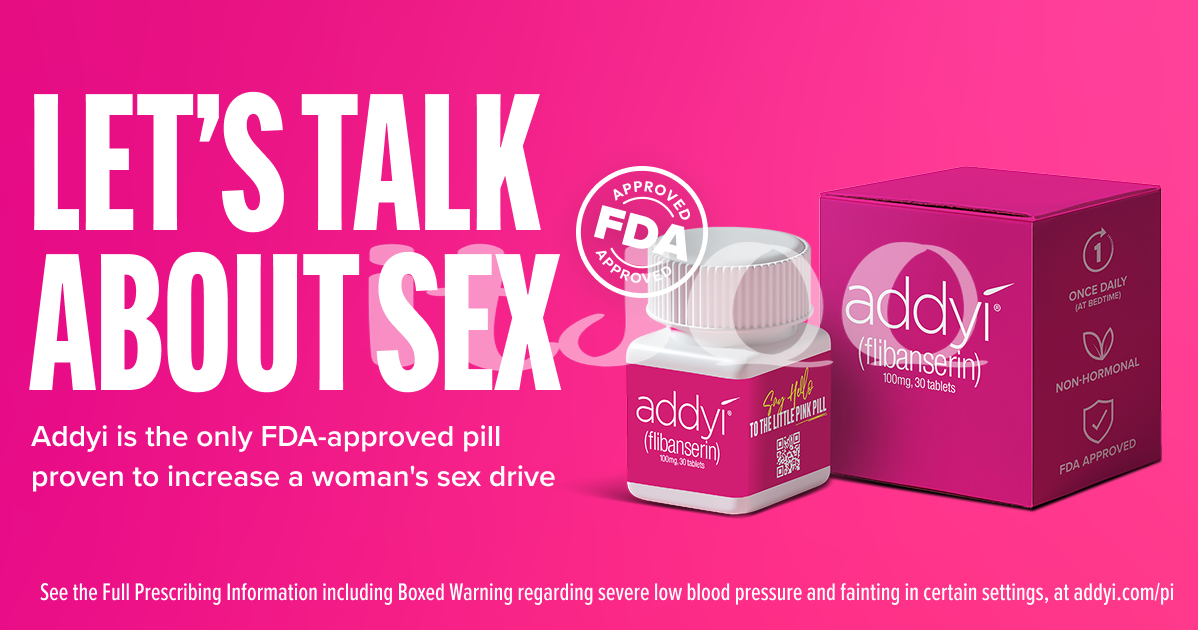
Addyi works by acting on brain chemistry, not on hormones directly. It targets serotonin pathways that can influence how desire is felt and whether sexual thoughts feel rewarding or distant.
By lowering certain inhibitory signals and supporting dopamine and norepinephrine activity, addyi may help restore a healthier balance between “brakes” and “accelerators” in sexual motivation. This can be especially meaningful when low desire feels persistent and unexplained.
The result is not an instant boost, but a gradual shift in how interest and responsiveness develop. For some women, that subtle neurological change can open the door to a more natural sense of desire.
Estrogen, Serotonin, and Sexual Wellness
Hormonal shifts can quietly reshape how a woman experiences desire, energy, and emotional comfort. Estrogen helps support vaginal tissue health, mood stability, and overall sexual responsiveness, while serotonin acts as a key messenger in the brain that influences pleasure, relaxation, and interest. When these systems are in balance, intimacy may feel more natural and satisfying. When they are not, frustration can follow, even in relationships that are otherwise strong.
This is where addyi enters the conversation. It is not a hormone, but it works on brain chemistry to help address low desire in some premenopausal women. By affecting serotonin pathways and other neurotransmitters, it may help shift the brain away from overactive “brakes” on sexual interest. For many women, understanding this link brings clarity and hope.
Sexual wellness is shaped by both body and mind, so a thoughtful approach matters. Tracking symptoms, discussing menstrual or menopausal changes, and reviewing medications can reveal whether hormones, neurotransmitters, or both are involved. That insight can guide more personalized care.
When Hormonal Changes Affect Libido

Hormonal shifts can quietly reshape desire, often before a woman connects the dots. Puberty, pregnancy, postpartum recovery, perimenopause, and menopause can all change estrogen, progesterone, and testosterone levels, influencing energy, mood, and sexual responsiveness.
These changes may show up as lower arousal, vaginal dryness, or less interest in intimacy, even in healthy relationships. Stress and poor sleep can make the effect stronger, creating a cycle where frustration further reduces libido.
For some women, understanding these patterns is the first step toward relief. Tools like addyi may be considered when low desire persists, but a broader view matters too. Tracking symptoms and discussing hormone changes with a clinician can help identify the real cause and guide care.
Addyi’s Role in Personalized Treatment Plans
A personalized plan starts with understanding the person, not just the symptom. For some women, low desire is linked to stress, relationship strain, or shifting hormones, while others may have a more complex pattern that includes medication effects or medical conditions. Addyi can fit into this picture as one tool among many, helping clinicians tailor care to the individual’s needs rather than relying on a one-size-fits-all approach.
In practice, this means reviewing symptoms, menstrual changes, sleep, mood, and any hormone-related concerns before deciding whether addyi is appropriate. A thoughtful treatment plan may also include lifestyle support, counseling, or adjustments to other medicines. When these pieces are combined, patients often feel more understood and more involved in decisions about their sexual wellness.
| Factor | Why it matters |
|---|---|
| Hormone shifts | May influence libido and response |
| Overall health | Helps guide safe use |
| Personal goals | Shapes the best treatment choice |
Safety Considerations for Hormone-related Use
Anyone considering Addyi alongside hormone-related care should start with a careful review of their medical history. Certain conditions, especially liver problems, can increase risk, and alcohol use may make side effects more serious.
It also helps to look closely at other medications and supplements. Some drugs can interact in ways that raise dizziness, low blood pressure, or fainting concerns, so coordination with a clinician is essential.
Hormonal treatments may change the picture over time, which is why ongoing monitoring matters. A plan that feels safe at first may need adjustment if symptoms, cycles, or overall health shift.
The safest approach is personalized and cautious. With honest communication and regular check-ins, people can better balance potential benefits with hormone-related risks while protecting their overall well-being.