
Pricing & Availability: 586-838-5900
The Most Common Cephalexin Side Effects Cephalexin is generally well tolerated, but many people notice a few predictable effects as their body adjusts. Mild stomach upset, loose stools, and a slightly queasy feeling are among the most frequent complaints. Some people also report headache, dizziness, or a dry mouth. These reactions are usually temporary and may fade as treatment continues, especially when the medicine is taken with food. The good news is that these common effects are often manageable. Drinking plenty of water, resting when needed, and avoiding heavy or greasy meals can make treatment easier to handle. If symptoms stay mild, they may not require much more than simple monitoring.To Buy Cephalexin Online Visit Our Pharmacy ↓
 Cephalexin Side Effects You Should Know
Common effect What it may feel like Nausea Upset stomach or mild queasiness Diarrhea Loose or frequent stools Headache Pressure or aching in the head
Digestive Problems: Nausea, Diarrhea, and More
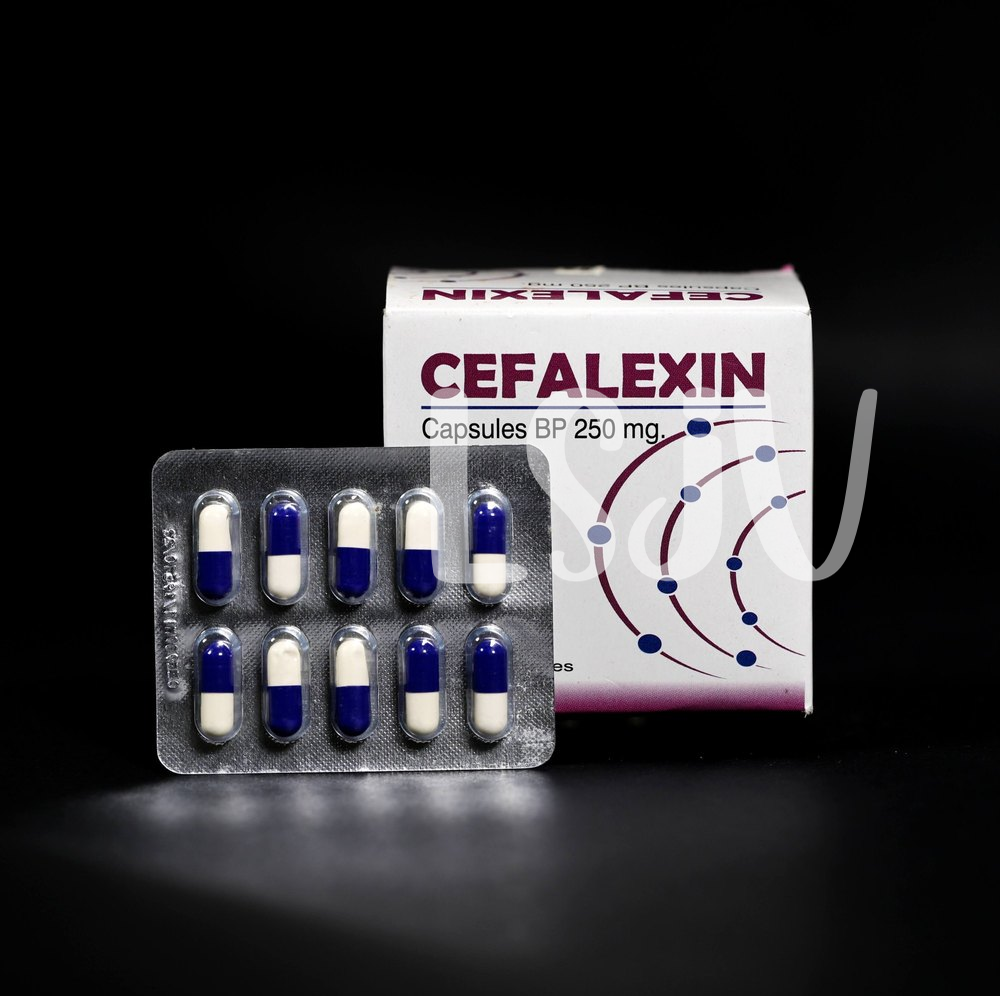
Cephalexin can sometimes upset the stomach, leaving you feeling queasy soon after a dose. This nausea is often mild, but it can make meals less appealing and daily routines harder to manage.
Diarrhea is another common issue, since antibiotics can disturb the balance of helpful bacteria in the gut. Some people also notice bloating, cramps, or a general sense of digestive discomfort while taking cephalexin.
To ease these effects, try taking the medication with food if your doctor allows it, and drink plenty of water. If symptoms become severe, persistent, or include blood, contact a healthcare professional promptly.
Skin Reactions That Should Raise Concerns
A mild rash can sometimes appear after starting cephalexin, but not every skin change is harmless. What begins as a few itchy red spots may spread, become warmer, or feel increasingly uncomfortable. Paying attention early helps you tell the difference between a temporary reaction and something more serious.
Some people notice hives, flushing, or swelling around the face, lips, or eyes. These signs can point to an allergic response, especially if they show up soon after a dose. If the skin feels tight, blistered, or unusually painful, it should not be ignored.
More concerning rashes may look purple, peel, or come with fever and body aches. These symptoms can suggest a stronger immune reaction that needs medical attention. Even if the rash seems minor at first, worsening over time is a warning worth taking seriously.
If you develop a new rash while taking cephalexin, monitor it closely and contact a healthcare professional for advice. Taking photos can help track changes. Prompt action can prevent a small skin reaction from becoming a bigger problem.
When Cephalexin Affects Your Energy Levels
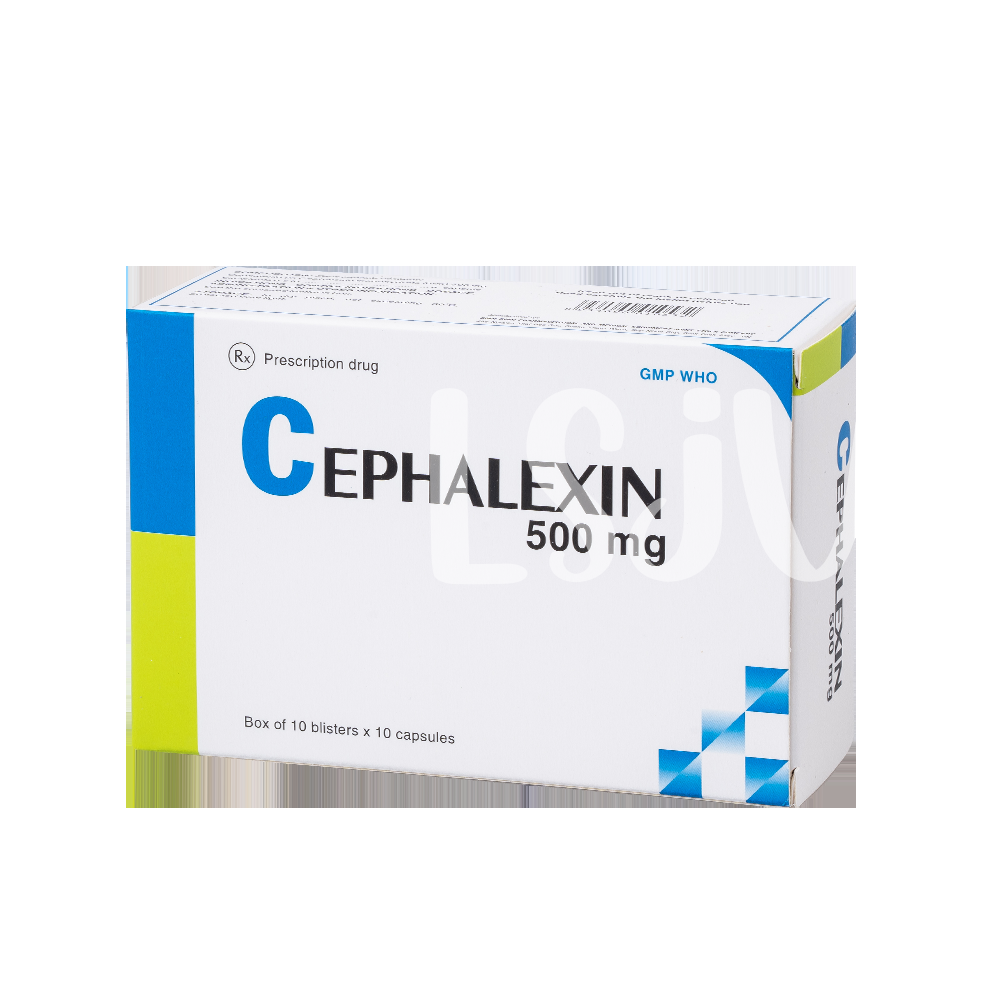
Cephalexin can sometimes leave you feeling more drained than usual, even when the infection itself is starting to improve. A mild drop in energy may show up as fatigue, sluggishness, or needing extra rest during the day. For many people, this passes quickly, but it can still be surprising if you were expecting the medicine to make you feel better right away.
This tired feeling may be tied to how your body is responding to the antibiotic, or to side effects like nausea, stomach upset, or diarrhea that quietly wear you down. Less commonly, cephalexin may affect sleep or make you feel generally weak. Staying hydrated, eating light meals, and resting when needed can help your body keep up.
If fatigue becomes intense, lasts several days, or comes with dizziness, shortness of breath, or confusion, it’s important to contact a healthcare professional. These symptoms may point to something more serious than a temporary medication effect. Listening to your body can help you stay safe while taking cephalexin.
Rare but Serious Warning Signs to Watch
Most people tolerate cephalexin well, but a few warning signs deserve immediate attention. If your body suddenly feels “off,” especially after a new dose, don’t brush it aside. Trouble breathing, swelling of the lips or face, or a tight throat can signal a severe allergic reaction and needs urgent care.
Another red flag is a rash that spreads quickly, turns blistered, or comes with fever, sore eyes, or peeling skin. These symptoms are uncommon, but they can point to a dangerous skin reaction. Severe watery diarrhea, bloody stools, or intense stomach pain may also indicate a serious gut complication rather than a simple upset stomach.
| Warning sign | Why it matters |
|---|---|
| Breathing trouble | Possible severe allergy |
| Blistering rash | Possible serious skin reaction |
| Bloody diarrhea | Possible intestinal complication |
Staying Safe While Taking Cephalexin
Take cephalexin exactly as prescribed, even if you begin feeling better before the bottle is empty. Skipping doses or stopping early can let the infection return and may make treatment less effective. It also helps to keep a steady schedule, since taking each dose at the same time every day can reduce stomach upset and make it easier to remember. If the medicine bothers your stomach, ask your pharmacist whether it should be taken with food. Drink enough water, and let your doctor know about any other prescriptions, over-the-counter products, or supplements you use.
Pay close attention to how your body responds during treatment. Mild nausea or loose stools can happen, but severe diarrhea, trouble breathing, swelling, or a rapidly spreading rash needs immediate medical attention. If you have a history of allergies to antibiotics, kidney problems, or frequent infections, your doctor may want to adjust your care. A quick check-in with a healthcare professional can prevent small issues from becoming bigger ones.