
Pricing & Availability: 586-838-5900
What Hydroxychloroquine Is and How It Works Hydroxychloroquine is a long-used medicine originally developed to treat malaria, and later adapted for certain autoimmune conditions. It works by changing how cells respond to inflammation and by affecting the way some organisms survive inside the body. For patients with lupus or rheumatoid arthritis, it can help calm overactive immune activity and reduce flare-ups over time. Its effects are gradual, so it is not a quick fix. Scientists continue to study how it influences immune signals and cellular processes. That steady, targeted action is what made it medically interesting long before it entered public debate.To Buy Hydroxychloroquine Online Visit Our Pharmacy ↓
 Hydroxychloroquine: Myths, Facts, and Misconceptions.
Key idea Gradual action on inflammation and cellular function
The Rise of Hype and Public Confusion

As news spread, hydroxychloroquine quickly moved from a routine medication to a headline-grabbing symbol of hope. Social media posts, political statements, and dramatic anecdotes gave the impression that a simple answer had been found. For many people, the excitement outpaced the evidence, and uncertainty grew just as fast as confidence.
Part of the confusion came from mixed messages. Some early reports sounded promising, while later studies painted a far less convincing picture. That gap between expectation and proof allowed rumors to flourish, especially when people were searching for reassurance during a frightening period.
The result was a public conversation shaped more by urgency than clarity. In pharmacies, clinics, and online forums, hydroxychloroquine became a topic people thought they understood, even when the science was still being sorted out. This is how hype can blur the line between possibility and proven benefit.
Ultimately, the story shows how quickly hope can turn into misunderstanding. When a drug enters the public spotlight, facts can be overshadowed by emotion, repetition, and selective reporting. For hydroxychloroquine, that meant confusion persisted long after the first wave of attention faded.
Separating Proven Uses from Popular Claims
Hydroxychloroquine has a long medical history, but its real value comes from specific, evidence-based uses rather than broad promises. Doctors have prescribed it for conditions such as rheumatoid arthritis and lupus, where it can help calm an overactive immune system and reduce painful flare-ups. In these settings, the drug is part of a carefully monitored treatment plan, and its benefits are supported by clinical research and years of practice.
Popular claims often stretch far beyond that evidence. Over time, hydroxychloroquine became the subject of bold headlines and online debates, with some presenting it as a cure-all for infections or other illnesses. The truth is more measured: science supports certain uses, but not the exaggerated hopes attached to it. Understanding that difference helps people separate tested medicine from speculation and make better health decisions.
Common Myths That Still Mislead People
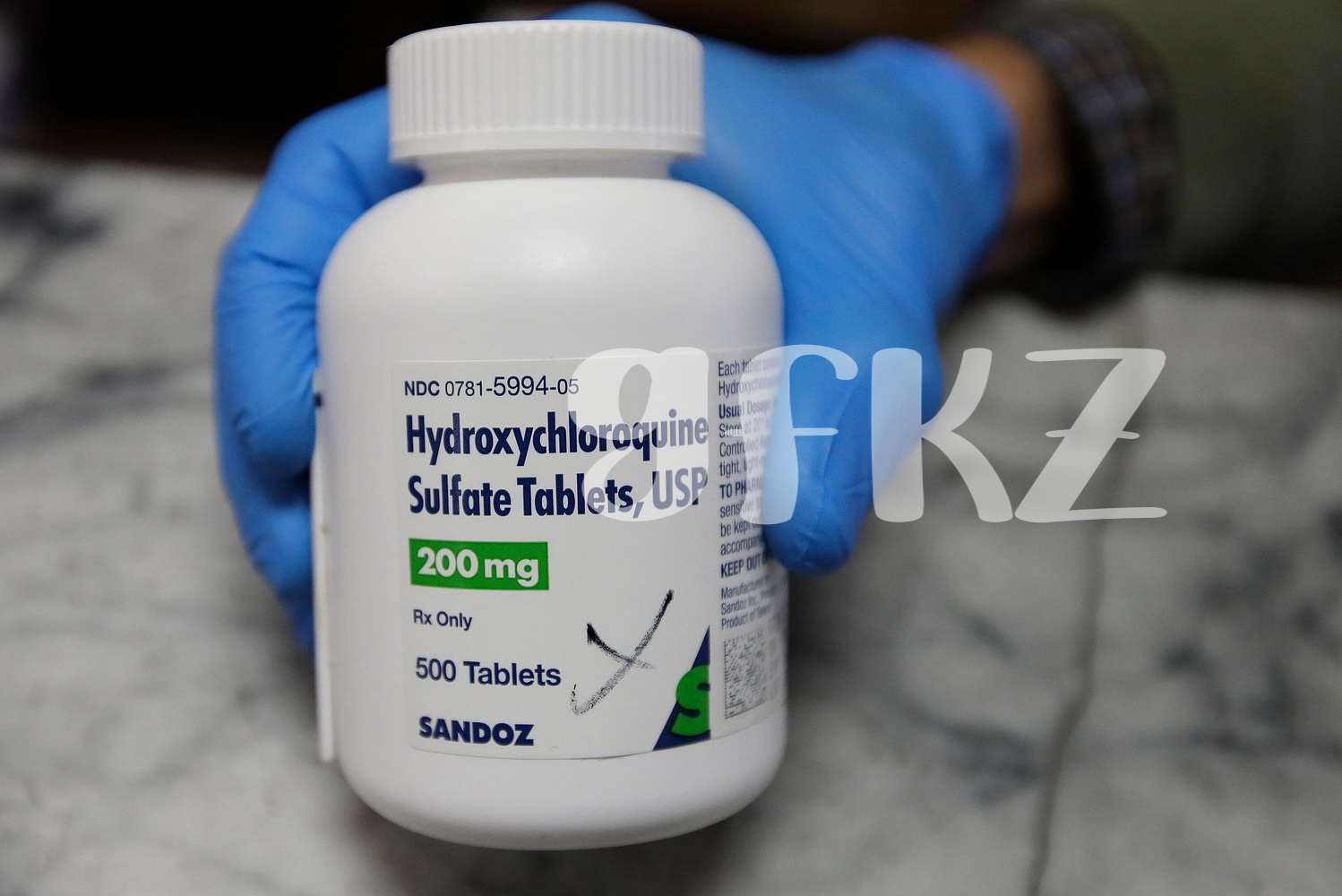
Many people still believe hydroxychloroquine is a miracle cure, but that myth lingers long after the headlines faded. Some assume it works for every infection, while others think a prescription means it is harmless. In reality, the drug has specific uses and limits that are often ignored.
Another common misunderstanding is that “natural” or widely discussed medicines are automatically safe. Hydroxychloroquine can cause serious side effects, especially when misused or combined with other drugs.
Confusion grows when social media stories replace medical evidence. Anecdotes may sound convincing, yet they do not prove effectiveness.
These myths persist because hope spreads faster than facts, making clear guidance essential.
Safety Risks, Side Effects, and Precautions
Hydroxychloroquine can help in the right medical setting, but it is not a casual medication to take lightly. Like many prescription drugs, it may cause unwanted reactions that range from mild to serious, and those risks become more important when it is used without medical guidance.
Some people notice nausea, stomach pain, headache, or dizziness. Others may develop vision changes, skin reactions, or abnormal heart rhythm. These effects are uncommon but meaningful, especially for older adults, people with heart disease, or anyone taking other medicines that affect the same organs.
| Precaution | Why it Matters |
|---|---|
| Regular eye checks | Helps detect rare retinal damage early |
| Medical review | Reduces dangerous drug interactions |
Before starting hydroxychloroquine, patients should share their full medical history and follow the prescribed dose exactly. Monitoring and prompt reporting of symptoms are the best safeguards, turning a potentially useful drug into one used responsibly.
What Science Actually Says Today
Today, the evidence is far less dramatic than the headlines once suggested. Large, well-designed studies have shown that hydroxychloroquine does not deliver the broad miracle benefits many once hoped for.
For certain autoimmune conditions, however, it remains a trusted treatment. Doctors continue to prescribe it for lupus and rheumatoid arthritis because it can help control symptoms and reduce flare-ups when used carefully.
Outside those approved uses, science has been cautious and clear: promises of prevention or cure have not held up under scrutiny. That matters, because medical decisions should rest on measurable results, not wishful thinking.
The most important lesson is simple. Hydroxychloroquine is neither a universal solution nor a complete failure. It is a real medicine with specific benefits, limits, and risks, and today’s evidence supports using it only where it truly belongs.