
Pricing & Availability: 586-838-5900
Why Travelers Seek Safer Malaria Medications Many travelers plan carefully for malaria prevention, but they also want a medicine they can trust. When a trip involves remote villages, long flights, or weeks abroad, the fear of unexpected side effects can feel just as stressful as the mosquito risk itself. That is why people often look beyond older drugs and search for options that fit their health, schedule, and peace of mind. Some medications have earned a reputation for causing vivid dreams, mood changes, or stomach trouble, which can be unsettling when you are far from home. Travelers want protection that supports the journey instead of disrupting it. Safer choices are often preferred by those with anxiety, a history of depression, or a need for clear thinking during work or adventure travel.To Buy Lariam Online Visit Our Pharmacy ↓
 Lariam Alternatives for Safe Malaria Protection
Concern What Travelers Want Side effects Fewer problems day to day Comfort Easy, predictable use Confidence Protection without worry
Comparing Popular Alternatives to Lariam
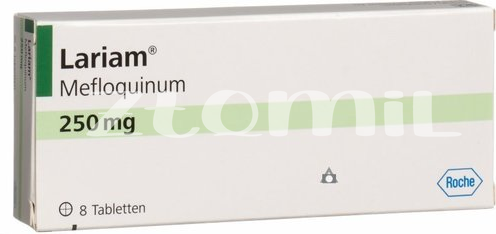
Travelers comparing malaria medicines often start with lariam, but many choose other options after learning about their profiles. Doxycycline is affordable and widely used, especially for longer trips, though it can increase sun sensitivity. Atovaquone-proguanil is another favorite because it is taken for a shorter time and is usually gentle on the stomach, making it appealing for busy itineraries.
Mefloquine remains an option in some regions, yet concerns about sleep or mood changes lead many people to avoid it. Meanwhile, primaquine may suit specific destinations, but it requires testing first. The best choice depends on where you are going, how long you stay, and how your body responds to medication.
Effectiveness and Side Effects Explained Simply
When choosing a malaria medicine, effectiveness matters first: it should reliably lower your risk in the places you plan to visit. Options such as atovaquone-proguanil, doxycycline, and mefloquine each protect well when taken correctly, but they differ in how they fit into daily travel life. Some start before departure, others need to continue after you return, so timing is part of the decision.
Side effects are usually the reason travelers look beyond lariam. Some people notice nausea, stomach upset, sun sensitivity, or trouble sleeping, while others feel completely fine. Rarely, certain medicines can affect mood or cause vivid dreams, so reading the warning list helps you avoid surprises.
The easiest approach is to match the drug to your health history and itinerary. A clinic or travel doctor can help you balance strong protection with the fewest side effects, making malaria prevention feel practical, not overwhelming.
Best Options for Different Travel Destinations

For safari trips in East Africa, many travelers choose atovaquone-proguanil because it starts quickly and is usually easier to tolerate than lariam. It suits short visits and last-minute plans, especially when you need protection right before departure.
In parts of Southeast Asia, where resistance patterns can vary, doxycycline is often recommended. It is affordable and effective, though sun sensitivity can be an issue for beach holidays and trekking under strong tropical light.
For families heading to the Caribbean or South America, mefloquine may still be discussed, but many prefer alternatives with fewer mood-related concerns. The best choice depends on destination risk, trip length, and personal health history.
A travel clinic can match the medicine to your route, ensuring safety without disrupting your plans. With the right guidance, malaria protection feels less like a burden and more like part of a smart journey.
How to Choose the Right Malaria Protection
Choosing the right malaria protection starts with your itinerary, your health history, and how long you will stay. A traveler heading into remote rainforest regions may need a different option than someone visiting a city with lower risk. If you have concerns about Lariam, talk with a clinician about alternatives that fit your destination and sensitivity profile.
A practical choice balances effectiveness, side effects, and convenience. Some medications suit short trips, while others work better for longer journeys. An HTML table can help compare options, but medical advice should always guide the final decision. By matching the medicine to the trip, you protect yourself more confidently abroad.
Practical Tips for Staying Protected Abroad
When traveling, the best protection starts before departure. Visit a travel clinic early, review your itinerary, and choose the right medicine for the region and your health history. Keep doses on schedule, since skipping tablets can reduce protection. CDC malaria drugs WHO malaria facts
Carry insect repellent with DEET or picaridin, wear long sleeves after dusk, and sleep under an insecticide-treated net when needed. Simple habits like closing windows at night and avoiding standing water can also reduce bites. CDC travelers malaria WHO malaria topic
If side effects appear, don’t stop medication without medical advice; ask a clinician about safer alternatives such as atovaquone-proguanil or doxycycline. Staying informed helps you react quickly and travel with greater confidence. CDC malaria prevention drugs EMA Lariam review
Keep a written plan: pill times, emergency contacts, and nearby clinics at your destination. That small preparation can make malaria prevention feel routine instead of stressful, even in remote places. CDC malaria travelers WHO malaria facts