
Pricing & Availability: 586-838-5900
Understanding Lisinopril and How It Works Lisinopril is a medicine many people first hear about after a blood pressure check brings unexpected numbers. It belongs to a group of drugs called ACE inhibitors, which help relax blood vessels and reduce the heart’s workload. That simple effect can make circulation easier and support long-term heart health. It works by blocking an enzyme that helps form angiotensin II, a substance that narrows blood vessels. When this process is slowed, the vessels stay more open, allowing blood to flow with less resistance. As a result, blood pressure can drop gradually and steadily.To Buy Lisinopril Online Visit Our Pharmacy ↓
 What Is Lisinopril? a Simple Beginner’s Guide
Effect Result Blocks ACE Less vessel tightening Opens vessels Improved blood flow
Common Uses for Lisinopril in Treatment
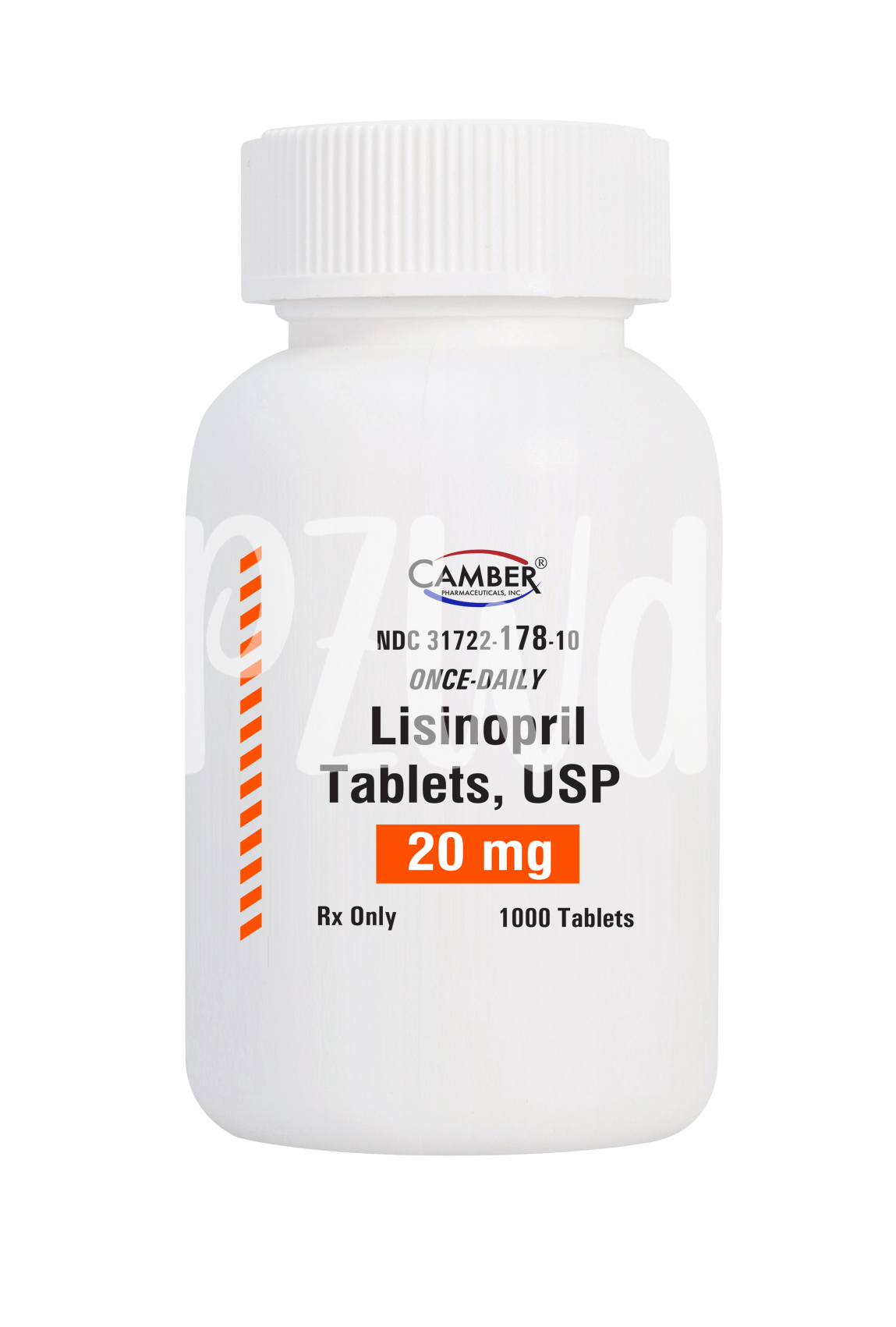
Lisinopril is commonly prescribed to help manage high blood pressure, a condition that often develops silently and can strain the heart and blood vessels over time. By relaxing and widening blood vessels, it helps blood flow more easily, lowering pressure and reducing the risk of serious problems such as stroke or heart attack. For many patients, lisinopril becomes a steady part of daily treatment, offering a simple way to support long-term cardiovascular health.
Doctors also use lisinopril after certain heart-related events, such as a heart attack, to ease the heart’s workload and improve recovery. In some people, it is used to help treat heart failure or protect kidney function, especially in those with diabetes. These uses make lisinopril an important medicine in both prevention and ongoing care.
How to Take Lisinopril Safely
Take lisinopril exactly as prescribed, usually once a day, with or without food. Try to take it at the same time each day so it becomes part of your routine. A glass of water is enough, and you should swallow the tablet whole unless your doctor says otherwise.
If you miss a dose, take it when you remember, unless it is almost time for the next one. Never double up to catch up. Because lisinopril can lower blood pressure quickly, stand up slowly from sitting or lying down, especially at first, to avoid dizziness.
Keep track of your blood pressure and any symptoms, such as lightheadedness or unusual swelling. Your doctor may also order blood tests to check kidney function and potassium levels. These simple checks help make sure the medicine is working safely for your body.
Avoid alcohol in excess and be careful with salt substitutes, which may contain potassium. Tell your healthcare provider about all other medicines and supplements you use. That extra attention can help lisinopril do its job while lowering the risk of problems.
Possible Side Effects and Warning Signs
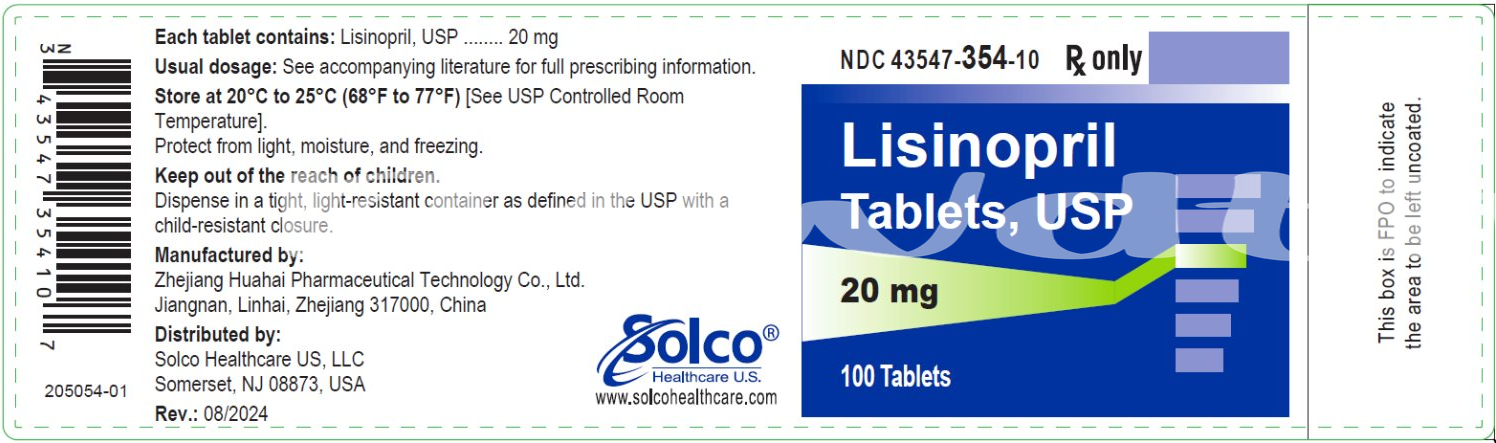
Most people take lisinopril without major trouble, but like any medicine, it can cause unwanted reactions. A dry, persistent cough is one of the best-known side effects, and some people may also notice dizziness, tiredness, headache, or a mild drop in blood pressure, especially when standing up quickly. These effects can feel unsettling at first, yet they are often manageable and may improve as the body adjusts.
More serious warning signs need quick attention. Swelling of the face, lips, tongue, or throat can signal an allergic reaction called angioedema. Chest pain, fainting, severe weakness, or trouble breathing are also red flags. If you notice very little urine, confusion, or a fast, irregular heartbeat, contact a doctor right away.
Staying alert helps you use lisinopril more safely. Report anything unusual, especially if symptoms feel sudden or severe.
Who Should Avoid Lisinopril Use
Lisinopril is not suitable for everyone, especially people who have had an allergic reaction to it or another ACE inhibitor. A past swelling episode involving the face, lips, tongue, or throat is a serious warning sign.
It should also be avoided during pregnancy, because lisinopril can harm an unborn baby. People with certain kidney problems, very low blood pressure, or high potassium levels may need a different treatment.
Anyone taking aliskiren for diabetes, or using medicines that raise potassium, should speak with a doctor first. Drug combinations can increase risks quietly, even when symptoms are mild.
| Important check | Why it matters |
| Allergy history | May trigger dangerous swelling |
| Pregnancy | Can harm the baby |
Tips for Getting the Best Results
For the best results, take lisinopril exactly as prescribed and at the same time each day. A steady routine helps keep blood pressure control more consistent, especially when life gets busy. If you miss a dose, take it when you remember unless it is almost time for the next one. Do not double up. It also helps to track your readings at home, since small changes can show whether the medicine is working well.
Healthy habits can make lisinopril work even better. Choose meals with less salt, stay active, limit alcohol, and drink enough water unless your doctor says otherwise. Keep follow-up appointments so your provider can check kidney function, potassium, and blood pressure. If you notice dizziness, swelling, or a persistent cough, mention it early. Small adjustments often make a big difference over time.