
Pricing & Availability: 586-838-5900
How Pepcid Works and Why Interactions Matter Pepcid calms the stomach by blocking histamine receptors that signal acid production, helping reduce heartburn, indigestion, and irritation. For many people, it works quietly in the background, bringing relief when meals, stress, or reflux start to trigger discomfort. But even a helpful medicine can become less predictable when paired with other drugs, supplements, or certain foods. Interactions may change how well Pepcid works, or how your body absorbs something else, making timing and awareness important. That is why small choices matter. A simple overlap with another acid reducer or a mineral supplement can shift results, so checking labels, spacing doses, and asking a pharmacist can help keep treatment safe and effective.To Buy Pepcid Online Visit Our Pharmacy ↓
 Pepcid Interactions: Medicines and Foods to Avoid
Medicines That Can Clash with Pepcid

Pepcid can be a helpful companion for easing heartburn, but it does not play well with every medicine. Some drugs need a very acidic stomach to absorb properly, and pepcid can change that balance. Others may be affected by how the body processes them, which can make their levels rise or fall in unexpected ways.
Certain antifungals, HIV medicines, and some cancer treatments are especially worth flagging to a pharmacist or doctor. Even common prescriptions, like drugs for infections or thyroid conditions, may need careful timing. If you take several medicines daily, the safest move is to review the full list before adding pepcid.
That quick check can prevent reduced effectiveness, side effects, or a frustrating return of symptoms. A short conversation now can spare a lot of trouble later, especially when treatment plans already involve multiple pills and strict schedules.
Acid Reducers and Other Overlapping Treatments
When heartburn strikes, it is tempting to layer remedies for faster relief, but combining pepcid with other acid-focused products can backfire. Antacids may seem harmless, yet using them too close together can change how well each medicine works.
Prescription proton pump inhibitors and H2 blockers both lower stomach acid, but they are not always meant to be used at the same time. A doctor may recommend one over the other, or adjust timing to prevent overlap and reduced benefit.
Even over-the-counter cough, cold, or nighttime stomach products can contain hidden acid reducers. Reading labels carefully helps you avoid doubling up without realizing it.
If symptoms persist despite treatment, check whether your medications are overlapping. A pharmacist can help you build a safer routine that protects relief and avoids unnecessary combinations.
Foods and Drinks That May Disrupt Relief
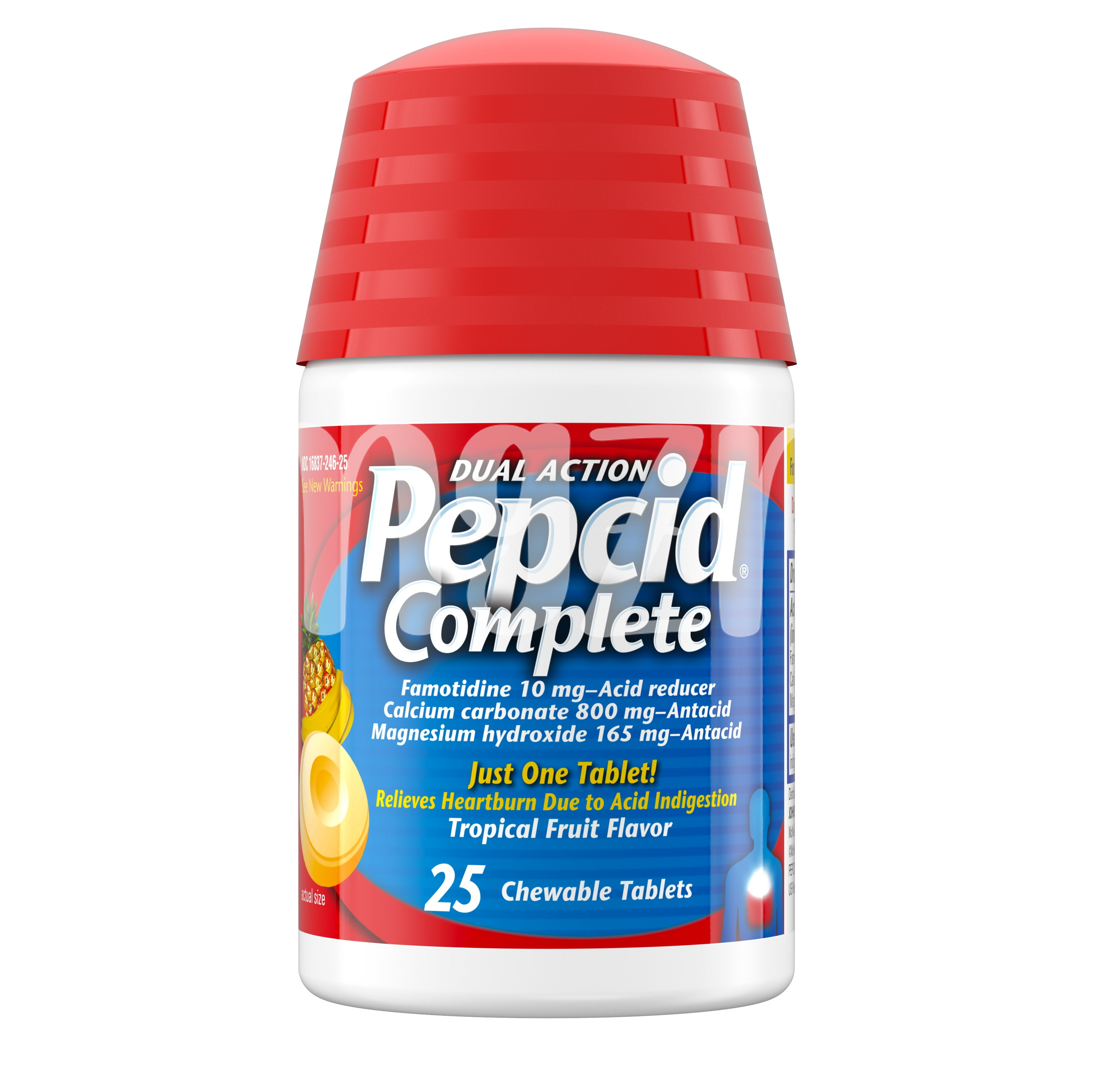
Certain foods and drinks can make pepcid feel less effective by irritating the stomach or triggering more acid production. Spicy meals, fried foods, tomato-based sauces, citrus fruits, and carbonated drinks may all worsen heartburn in some people. Even coffee and alcohol can be troublesome, especially if taken close to bedtime or on an empty stomach.
A calm, bland menu often helps pepcid work more smoothly. Try smaller meals, choose water over soda, and notice which items bring symptoms back. Everyone reacts differently, so keeping a simple food log can reveal patterns and help you avoid the sneaky triggers that keep relief out of reach.
Timing Pepcid Safely with Other Medications
Pepcid can work well with many medicines, but timing matters. A simple rule is to separate doses when another drug may interfere with absorption, especially antibiotics, thyroid medicine, or antifungals. Taking pepcid with a full glass of water and following label directions helps reduce mix-ups and keeps treatment on track.
If you use several prescriptions, build a routine around them so each one has space to do its job. A pharmacist can suggest the safest schedule, and your doctor may adjust timing if symptoms change. When in doubt, write it down and double-check before taking anything new.
| Medication timing | Best approach |
| Other prescriptions | Ask for spacing guidance |
| Pepcid | Follow label or clinician advice |
Warning Signs That Need Medical Attention
If Pepcid seems to stop helping, or symptoms suddenly worsen, pay close attention. Persistent chest pain, trouble swallowing, vomiting, black stools, or unexplained weight loss can signal something more serious than simple heartburn. These changes deserve prompt medical review rather than another dose and a wait-and-see approach. NCBI FDA
Allergic reactions also need urgent care. Hives, swelling of the lips or face, wheezing, dizziness, or fainting may indicate a severe response to famotidine or another medicine taken with it. In that moment, stop self-treating and seek emergency help, especially if breathing becomes difficult. MedlinePlus NCBI
Even milder warning signs matter when they linger. If reflux returns often, wakes you at night, or is paired with fever, dehydration, or anemia symptoms, a clinician may need to check for ulcers, infection, or another diagnosis. Listening early can prevent a small problem from becoming a bigger one. NCBI Merck Manual