
Pricing & Availability: 586-838-5900
Common Robaxin Side Effects to Expect Robaxin can bring relief, but many people notice a few predictable effects as their body adjusts. The most common ones are drowsiness, dizziness, and lightheadedness, especially soon after a dose. Some also report headache, blurred vision, or a vague feeling of weakness. These reactions are usually mild, but they can be annoying enough to interfere with work, driving, or simple daily tasks. An upset stomach may also show up, including nausea, vomiting, or a reduced appetite. Less often, people experience a dry mouth or a sense of slowed reaction time. For most users, these symptoms fade as treatment continues, yet they can feel more noticeable if the medication is taken with other sedating drugs or alcohol.To Buy Robaxin Online Visit Our Pharmacy ↓
 Robaxin Side Effects You Should Know
Common effect How it may feel Drowsiness Sleepy, less alert Dizziness Unsteady or lightheaded Nausea Queasy stomach
When Drowsiness Becomes a Safety Concern
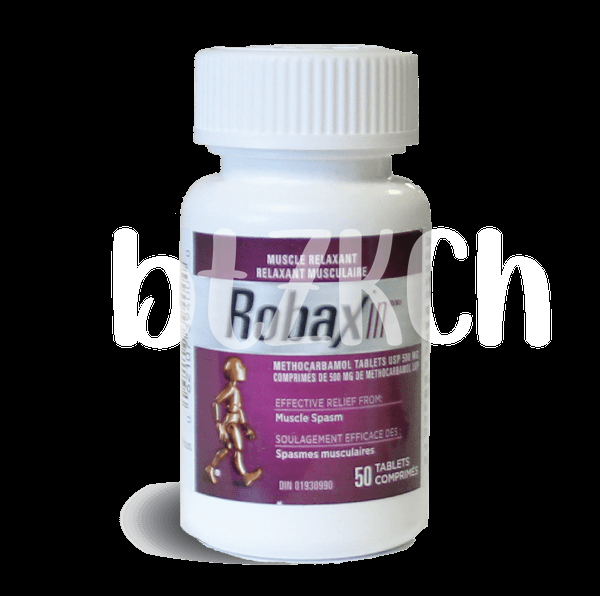
Drowsiness from robaxin can feel mild at first, like a heavy-lidded calm after a long day. But if sleepiness starts interfering with work, driving, or staying alert during conversations, it becomes more than an inconvenience. This is the point where caution matters most.
The concern rises when drowsiness is paired with slow reactions, blurred thinking, or dizziness. Even routine tasks can become risky if your balance feels off or you catch yourself nodding off unexpectedly. Falls, car accidents, and mistakes at work are more likely when your alertness drops too far.
If the sleepiness feels intense, lasts longer than expected, or worsens after each dose, talk to a healthcare professional. Avoid alcohol and other sedating medicines unless a doctor approves them. Paying attention early can help you use robaxin more safely and avoid preventable problems.
Digestive Problems Linked to Robaxin Use
For some people, robaxin can upset the stomach soon after a dose. Nausea, mild vomiting, or a feeling of fullness may appear, especially when the medicine is taken on an empty stomach. These symptoms are usually not dangerous, but they can make it harder to stay comfortable during the day.
Less commonly, people notice stomach pain, diarrhea, or loss of appetite. When digestion feels off, even simple meals can seem unappealing. Drinking water, eating smaller portions, and taking robaxin with food may help reduce irritation and make the medicine easier to tolerate.
If digestive symptoms become severe, persist, or are paired with dehydration, vomiting blood, or black stools, medical help is important. These signs may point to something more serious than a routine side effect. Paying attention early can help prevent a minor problem from becoming a bigger one.
Rare but Serious Reactions You Should Notice

Though most people tolerate robaxin well, a small number may experience unexpected reactions that deserve prompt attention. These can start quietly, with symptoms that seem easy to dismiss, yet they may signal something more serious.
Seek help right away if you notice swelling, trouble breathing, a rash, fainting, or a rapid heartbeat. Confusion, yellowing skin, or unusual bruising can also point to a rare but dangerous reaction.
These signs are not common, but they should never be ignored. Acting early can prevent complications and help ensure robaxin is used as safely as possible.
Who Faces a Higher Risk of Side Effects
People taking robaxin may notice side effects more often if they are older, frail, or already dealing with liver or kidney problems. In these cases, the body may clear the medicine more slowly, allowing dizziness, confusion, or sleepiness to linger longer than expected.
A higher risk also exists for anyone using other medications that calm the nervous system, such as opioids, sleep aids, anxiety drugs, or alcohol. When these are combined, robaxin can feel stronger than intended, turning a routine dose into a problem that affects balance, alertness, and reaction time.
| Higher-risk group | Why it matters |
|---|---|
| Older adults | More likely to feel drowsy or unsteady |
| Liver/kidney issues | Drug may stay in the body longer |
People with a history of drug sensitivity, low blood pressure, or frequent falls should be especially cautious. A careful conversation with a clinician can help prevent avoidable trouble and make robaxin use safer from the start.
Managing Robaxin Side Effects More Safely
The safest way to handle Robaxin side effects is to take it exactly as prescribed and avoid doubling doses if one is missed. Because this muscle relaxant can cause sleepiness, plan ahead before driving, operating machinery, or drinking alcohol, since the combination can intensify dizziness and slow your reactions. Small habits like taking it with food and staying hydrated may also help you feel steadier.
Pay close attention to how your body responds during the first few doses, when side effects often feel strongest. If drowsiness, nausea, or lightheadedness start disrupting your routine, let your prescriber know rather than trying to push through it. They may adjust timing, dosage, or suggest a better option for your situation.
Seek medical help right away for breathing trouble, fainting, swelling, or a rash. Keeping an eye on changes early can turn a rough experience into a manageable one.