
Pricing & Availability: 586-838-5900
How Tetracycline Resistance Threatens Modern Medicine Tetracycline once stood as a dependable shield against infections that could turn routine care into a crisis. Today, rising resistance weakens that shield, forcing doctors to rely on broader, costlier drugs and sometimes delay treatment while lab results return. What used to be a straightforward prescription can now become a gamble, especially for vulnerable patients. This shift matters far beyond one antibiotic. Tetracycline has long supported treatment in skin, respiratory, and urinary infections, and it also plays a role in managing some zoonotic diseases. When bacteria evade it, physicians lose an important option, and the pressure on remaining medicines increases, accelerating resistance across the board.To Buy Tetracycline Online Visit Our Pharmacy ↓
 Tetracycline Resistance: Why It Matters Today
Impact Why it matters Fewer treatment options Harder to control common infections Longer illness More complications and higher costs
The Hidden Biology Behind Bacterial Defense
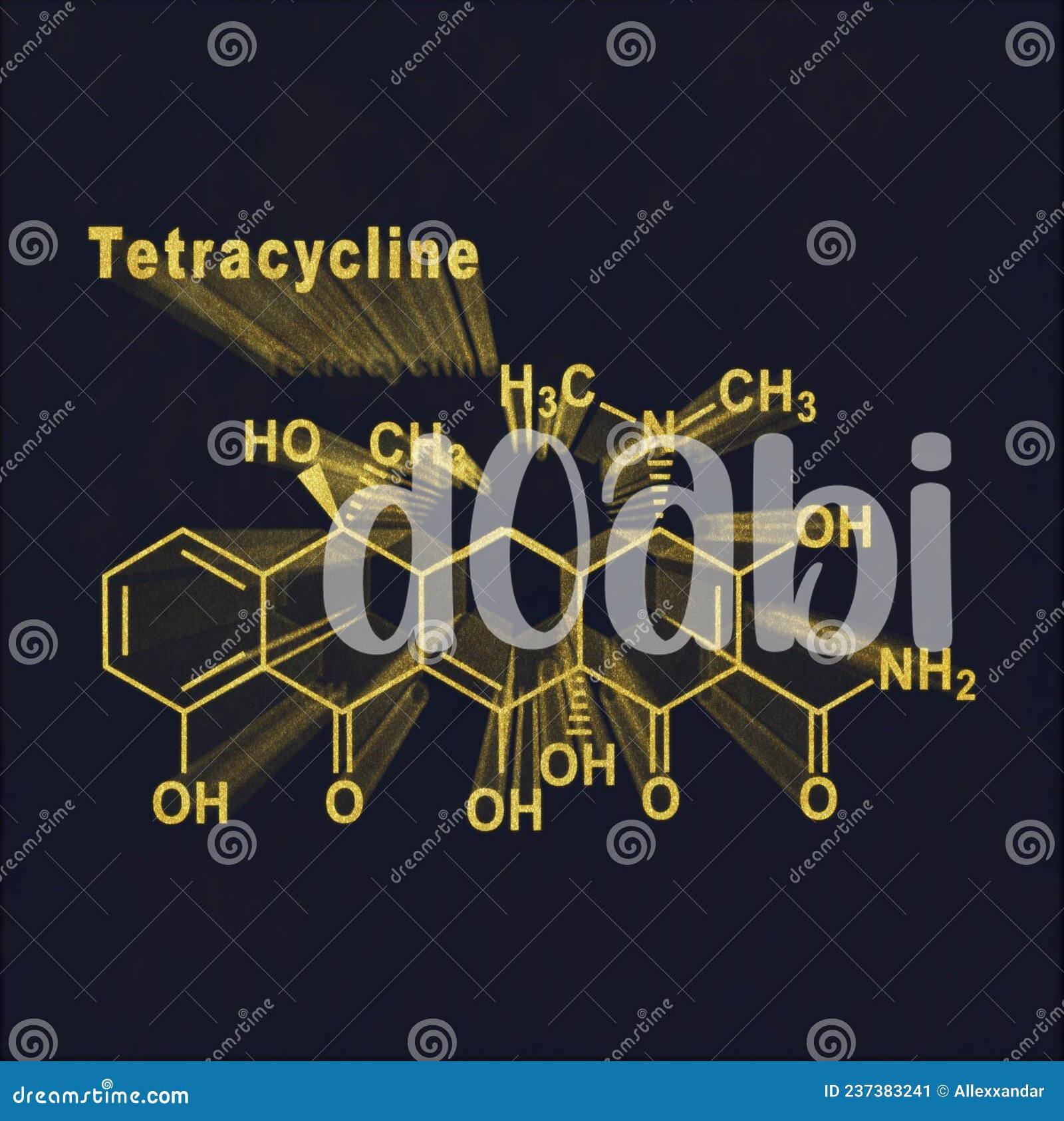
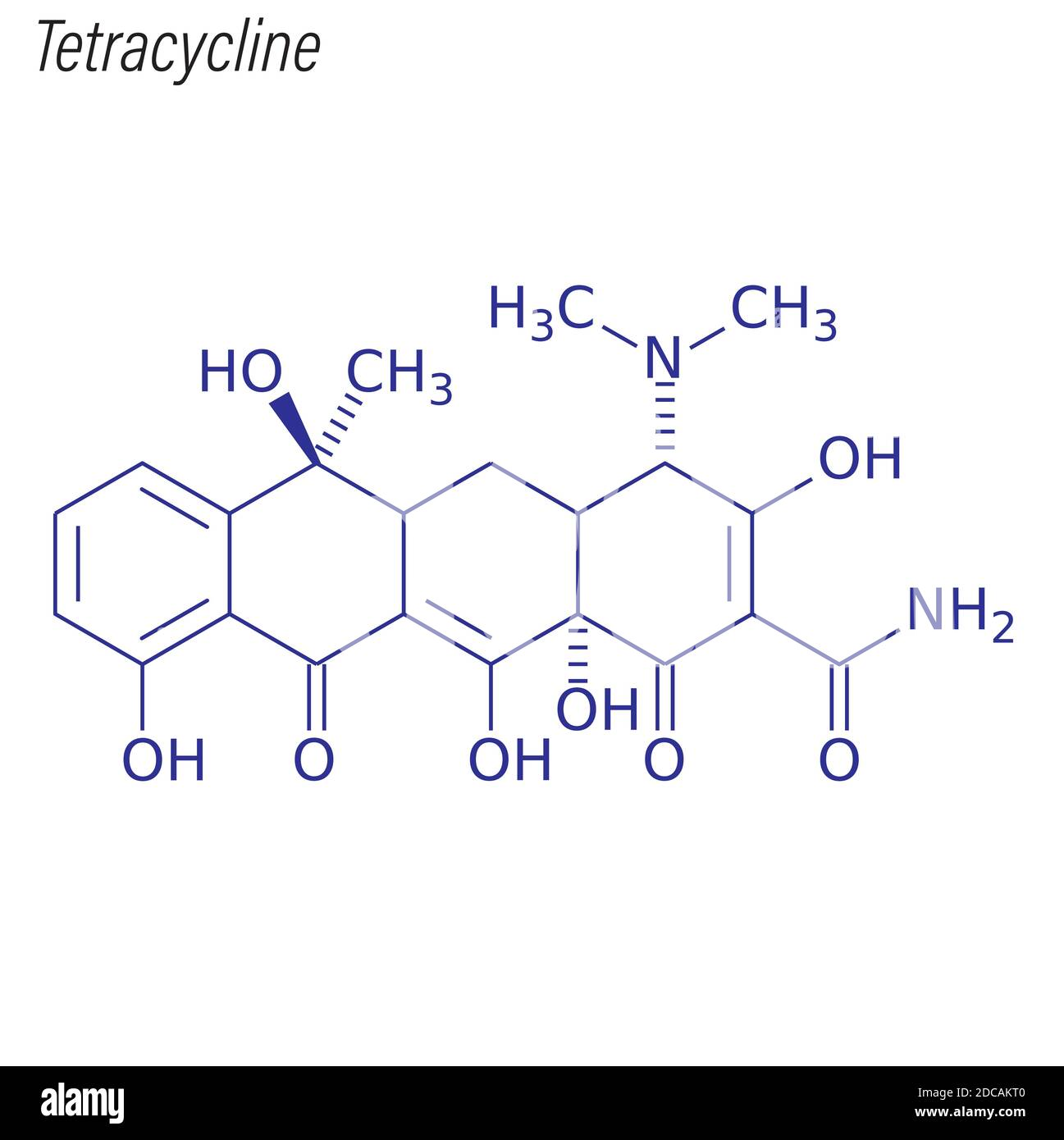
Bacteria survive tetracycline by turning on tiny genetic shields that block the drug’s entry or push it back out. Some even alter the ribosomes tetracycline targets, making the antibiotic less able to bind.
These defenses are often carried on plasmids, mobile DNA circles that spread quickly between microbes. That means one resistant bacterium can share its survival tricks with many others, accelerating resistance in hospitals, farms, and communities.
What looks like a simple infection is often a microscopic arms race. Each antibiotic exposure can favor the toughest cells, allowing resistance genes to persist, multiply, and quietly reshape bacterial populations.
Everyday Antibiotic Use and Resistance Pressure
Everyday choices shape antibiotic resistance more than most people realize. A sore throat, a skipped dose, or taking medicine “just in case” can expose bacteria to low levels of antibiotics and give the toughest survivors a chance to multiply. Over time, this pressure acts like a filter, leaving behind microbes that no longer respond to drugs that once worked well. In this way, even routine use of tetracycline can contribute to a larger public health problem if it is misused or overused.
The danger is not only in hospitals but also at home, in clinics, and on farms. Each unnecessary prescription adds to the resistance burden, making future infections harder to treat and increasing the need for stronger, more expensive options. When antibiotics are used carefully, exactly as prescribed, they still save lives. When they are treated like a quick fix, they help bacteria adapt, spread, and become harder to stop.
Why Common Infections Are Getting Harder
A routine throat infection or stubborn skin rash once cleared quickly with a simple prescription. Today, that ease is fading. As bacteria adapt, some common illnesses no longer respond well to tetracycline and similar antibiotics, turning short recoveries into longer, more frustrating battles.
This change matters because everyday infections are the ones people expect doctors to fix fast. When treatment fails, patients may need stronger drugs, extra visits, or lab tests that delay care. In some cases, an infection can spread while the right medicine is being searched for.
The biology is simple but unsettling: repeated exposure helps resistant bacteria survive and multiply. Over time, the most vulnerable strains disappear, leaving tougher ones behind. What was once a predictable infection becomes harder to control.
For families, this means more missed work, more discomfort, and higher costs. For healthcare systems, it means common problems demand uncommon effort.
Global Spread through Travel, Food, and Farming
People, animals, and bacteria move across borders every day, and tetracycline-resistant strains often ride with them. A traveler carrying an infection may unknowingly seed new cases far from home.
Food and farming add another layer. Resistant bacteria can spread through meat, dairy, produce, or contaminated water, especially when antibiotics are used in livestock. Farms can become quiet reservoirs.
This global web makes local outbreaks harder to contain. When resistance spreads through trade and travel, a small problem can quickly become a shared public health challenge.
Smarter Strategies to Slow Resistance Today
Hospitals are turning to faster diagnostics that identify the right antibiotic before treatment begins, reducing unnecessary tetracycline exposure and the selective pressure that fuels resistance.
Doctors also reserve antibiotics more carefully, using the narrowest effective drug for the shortest safe course, while educating patients not to save leftovers or demand antibiotics for viral illnesses.
In farms and food systems, better hygiene, vaccination, and targeted veterinary care can lower routine antibiotic use without sacrificing animal health. These changes help cut the pathways that allow resistant bacteria to emerge and spread.
Lasting progress depends on surveillance, stewardship, and public awareness working together, so each prescription becomes a measured decision rather than a guess. CDC Antibiotic Use NCBI Tetracycline Resistance