
Pricing & Availability: 586-838-5900
Trazodone Basics: How This Medication Works Trazodone is an antidepressant that changes the balance of serotonin, a brain chemical linked to mood, sleep, and emotional stability. By making serotonin available for longer, it may help calm the mind and soften the heavy, slowed-down feeling depression can bring. It is often described as a serotonin modulator and reuptake inhibitor, meaning it influences how nerve cells send signals. In practical terms, this can support better mood regulation over time while also creating a mild sedating effect for many people. That calming quality is one reason doctors sometimes choose it when depression comes with poor sleep. Some people notice they feel less tense and more able to rest, which can make recovery feel more manageable.To Buy Trazodone Online Visit Our Pharmacy ↓
 Trazodone and Depression: What to Know
Trazodone Raises serotonin activity Main effect Supports mood and sleep
Depression Symptoms Trazodone May Help Ease
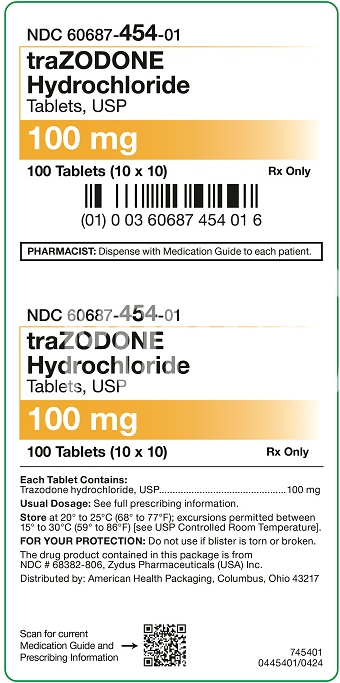
When depression makes everyday life feel heavy, trazodone may help ease some of the most disruptive symptoms. It can support better sleep when restless nights and early waking leave mood even lower, and it may lessen the constant fatigue that makes simple tasks feel overwhelming.
For some people, trazodone also helps with anxiety, irritability, and the sense of emotional numbness that can come with depression. As sleep improves and the mind feels a bit calmer, focus and motivation may gradually return, making daily routines feel more manageable.
Common Benefits and Possible Treatment Advantages
For many people, trazodone offers a practical way to address depression while also supporting better sleep, which can be especially valuable when nighttime rest has been disrupted. That dual effect may help patients feel more settled during the day and more capable of engaging in therapy, work, or daily routines. Because it is often used at lower doses for sleep support and at antidepressant doses for mood, it can fit different treatment goals.
Another advantage is that trazodone may be considered when other medications feel too activating or cause unwanted side effects. Some people appreciate that it is not usually associated with major weight gain or sexual side effects compared with certain antidepressants. For the right patient, this can improve adherence and make long-term treatment feel more manageable and sustainable.
Side Effects and Safety Concerns to Watch
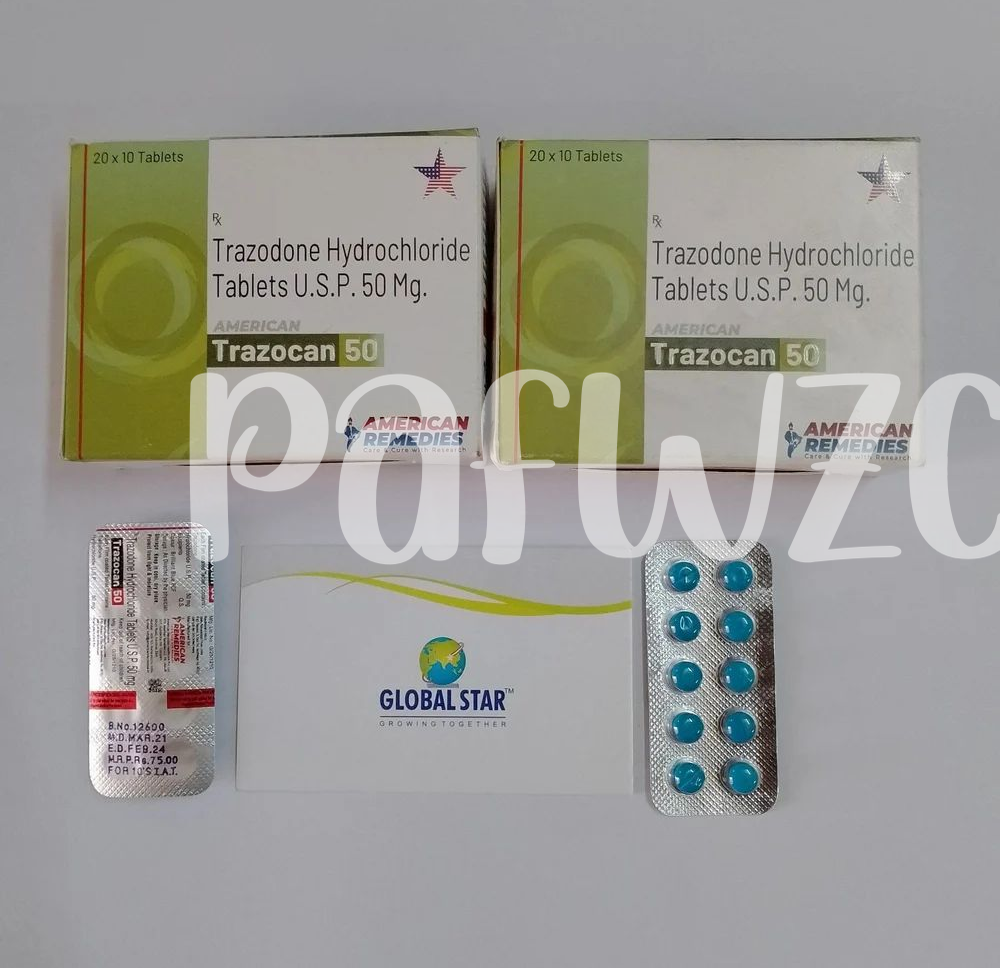
Trazodone can bring welcome relief, but it may also cause drowsiness, dizziness, dry mouth, and blurred vision. Some people notice nausea or headache when they first start taking it, especially if the dose is increased too quickly. These effects often ease as the body adjusts, yet they can still affect daily routines like driving or working.
More serious concerns are rare but important. Trazodone can lower blood pressure, leading to lightheadedness or fainting, and in uncommon cases it may trigger irregular heartbeat or a prolonged erection that needs urgent care.
Any new symptom should be discussed with a doctor, especially if it feels severe, lasts longer than expected, or interferes with sleep, mood, or safety.
Dosage Tips, Timing, and Doctor Guidance
The right amount of trazodone can vary, so it should always be taken exactly as prescribed. Many people take it in the evening because it may cause drowsiness, and a doctor may adjust the dose slowly to reduce unwanted effects. Never change the schedule on your own, even if sleep or mood improves quickly.
If a dose is missed, follow the instructions from your clinician rather than doubling up. Consistent timing helps the body respond more steadily and can make side effects easier to track. Drinking alcohol or adding other sedating medicines can increase fatigue, so it is wise to ask before combining treatments.
| Schedule | Take at the same time daily |
| Adjustment | Only with medical advice |
| Monitoring | Report unusual reactions promptly |
Regular check-ins help the doctor see whether trazodone is working well and whether the dose needs fine-tuning.
Important Interactions and Who Should Avoid It
Trazodone can clash with other medicines in ways that matter. Mixing it with alcohol, opioids, sleep aids, or benzodiazepines may deepen drowsiness and slow reactions. Combining it with SSRIs, SNRIs, MAOIs, or certain migraine drugs can raise the risk of serotonin syndrome, a rare but serious reaction. Always share a full medication list with your clinician before starting or changing treatment. NCBI Bookshelf Mayo Clinic
Some people should avoid trazodone or use it only with close medical supervision. That includes anyone with a history of heart rhythm problems, recent heart attack, severe liver or kidney disease, bipolar disorder, or a past allergic reaction to the drug. Older adults may be more sensitive to dizziness and falls, so careful monitoring helps. If you notice agitation, fainting, or unusual mood changes, seek medical advice promptly. Drugs.com MedlinePlus
Pregnancy, breastfeeding, and planned surgery also deserve a conversation with your doctor, since trazodone may need to be paused or adjusted. Even herbal products like St. John’s wort can interfere with treatment. The safest approach is simple: ask before adding anything new, and never stop suddenly without guidance. That extra check can prevent surprises and keep treatment steadier. EMA NCBI Bookshelf