
Pricing & Availability: 586-838-5900
How Wellbutrin May Affect Appetite Wellbutrin can affect appetite in a way that feels subtle at first but noticeable over time. Some people describe less interest in snacking, a lighter feeling around meals, or a quicker sense of fullness. Because it works on dopamine and norepinephrine, it may change the brain signals that influence hunger and cravings, especially for comfort foods. This appetite shift does not happen the same way for everyone. For some, it may reduce emotional eating or the urge to graze throughout the day. For others, appetite stays the same, or early side effects like dry mouth and nausea make food less appealing temporarily. These changes can influence daily eating patterns and, in turn, body weight.To Buy Wellbutrin Online Visit Our Pharmacy ↓
 Wellbutrin and Weight Loss: What Research Says
Possible effect How it may feel Reduced appetite Less desire to eat between meals Fewer cravings Lower interest in sugary or high-calorie snacks
What Studies Reveal about Weight Changes

Research on wellbutrin shows a mixed but consistent pattern: some people lose a small amount of weight, while others stay the same or even gain a little. In clinical trials, weight change often appears modest rather than dramatic, especially compared with medications known for stronger metabolic effects.
Several studies suggest the biggest shifts happen during the first few months of treatment. Participants who experienced reduced cravings or less snacking were more likely to see the scale move downward. Others reported no meaningful change, which reminds readers that individual responses vary widely.
Scientists also note that dose, duration, and lifestyle habits can shape results. A person eating differently, exercising more, or recovering from depression may see weight changes that are not caused by the medication alone. That makes interpretation tricky.
Overall, the evidence suggests wellbutrin is more likely to be weight-neutral or mildly weight-reducing than many antidepressants, but it is not a guaranteed weight-loss treatment.
Why Some People Lose Weight on It
For some people, wellbutrin appears to shift the balance between appetite and energy. Instead of feeling hungrier, they may notice smaller cravings and a lighter interest in food, especially when emotional eating once played a role.
It can also feel activating rather than sedating, which may lead to more movement during the day. Some people simply become more aware of fullness cues and stop eating sooner, creating a gradual calorie deficit without trying to diet aggressively.
Still, responses vary. Weight loss is not guaranteed, but when wellbutrin reduces appetite, curbs snacking, or boosts daily activity, the result can be a noticeable drop on the scale over time.
Comparing Wellbutrin with Other Antidepressants
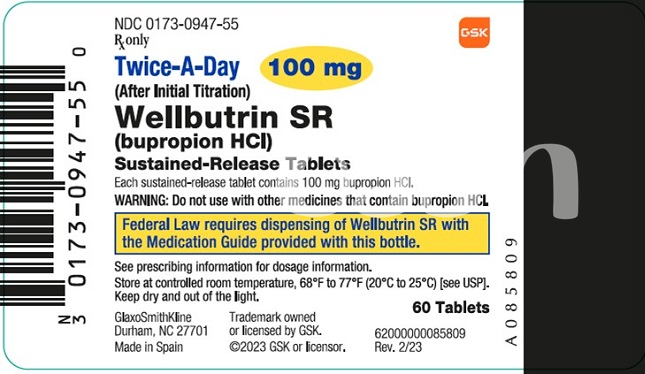
Among antidepressants, wellbutrin often stands apart because it is less likely to cause weight gain than many SSRIs and SNRIs. That difference matters for people who already worry about appetite or body changes.
Some medications can increase hunger, slow energy levels, or make exercise feel harder, which may lead to gradual weight gain. In contrast, wellbutrin is more often described as weight-neutral or even linked to modest loss in some patients.
Still, response varies. A person who does well on one drug may react differently to another, and mood improvement itself can change eating habits in either direction.
For this reason, choosing an antidepressant is not only about mood relief. It also involves balancing side effects, lifestyle, and long-term comfort with treatment.
Side Effects That Influence Weight Outcomes
Wellbutrin can influence weight in indirect ways because some side effects change how a person eats and moves. Nausea, dry mouth, insomnia, and jitteriness may reduce appetite at first, while others may make meals less regular. For some people, this creates a short-term drop in weight rather than a planned change.
A few users also notice headaches or digestive discomfort, which can make food feel less appealing. On the other hand, if wellbutrin improves energy and mood, daily routines may become more active, and that can also affect body weight over time.
| Common effect | Possible impact |
|---|---|
| Nausea | May lower appetite |
| Insomnia | Can disrupt eating patterns |
| Dry mouth | May change food choices |
Who Should Discuss Weight Goals with Doctors
People with a history of eating disorders, unexplained weight changes, diabetes, or heart conditions should talk openly with a doctor before starting Wellbutrin. The same applies to anyone who is already underweight, trying to lose weight intentionally, or taking other medications that can affect appetite or metabolism. A brief conversation can help set realistic expectations and spot risks early. NCBI Bookshelf MedlinePlus
It also helps people with depression who notice changes in eating, energy, or body image to bring weight goals into the discussion. A clinician can decide whether Wellbutrin fits the broader treatment plan and suggest monitoring, nutrition support, or medication adjustments if needed. That way, weight goals stay grounded in health, not guesswork. PubMed FDA